


















The Complete Laundry & Cleaning Organization Guide
Estimated Read Time: 7 minutes
For over a decade, DDH (Done & Done Home) has been transforming homes across the country, starting with New Yorkers in the tri-state area and now helping families nationwide create functional and organized spaces. Founded in 2011 by mother-daughter duo Ann Lightfoot and Kate Pawlowski, DDH has grown from a passion project into a multi-million dollar business, specializing in turning chaotic utility areas into streamlined, efficient spaces.
In this comprehensive guide, you’ll discover:
- Common Organization Challenges
- The DDH Methodology for Utility Spaces
- Space-Specific Solutions
- Organizing Cleaning Supplies Effectively
- Creating Efficient Laundry Systems
- Maintenance Systems That Actually Work
Whether you’re dealing with a dedicated laundry room or a compact closet setup, this guide provides the tools and techniques our professional organizers have refined through years of transforming utility spaces just like yours.
Common Organization Challenges
Laundry rooms and cleaning supply areas often present unique, recurring problems for busy households, especially when multiple people and needs are involved. Here are some of the most common challenges that make these essential spaces hard to keep organized:
Multi-Family Struggles
For many households, the demands of multiple people with different schedules and laundry needs can quickly overwhelm even the most well-intentioned organizational systems.
- Different family schedules create unpredictable laundry needs
- Varied clothing care requirements from delicates to heavily soiled items
- Cleaning product overload with specialized cleaners for every surface
- Limited space that must serve multiple functions efficiently
Frequent Pain Points
Beyond family routines, daily frustrations often crop up in the form of scattered supplies, inefficient sorting, and a lack of practical storage solutions for cleaning equipment and laundry.
- Cleaning supplies are scattered throughout the house
- Laundry sorting systems that create bottlenecks
- Wasted utility space due to poor storage solutions
- Folded laundry sitting in baskets for days
- Bulky cleaning equipment with no designated storage
The DDH Methodology for Utility Spaces
At DDH, we know that a lasting organization requires more than quick tidying up. Our proven five-step process provides a clear, practical path to transforming utility spaces, addressing clutter, workflow, and daily routines so your systems stay organized long term.
The Five-Step DDH Process
To create truly organized and efficient laundry and cleaning spaces, DDH follows a systematic five-step process, ensuring every aspect of your utility area supports your household’s daily routines and long-term needs.
| Step 1: Comprehensive Assessment | We evaluate how your family actually uses these spaces, observing current workflows and identifying storage and efficiency pain points. |
| Step 2: Strategic Planning | We create a customized organization plan considering your family’s needs, available space, and existing appliances while designing optimal workflows. |
| Step 3: Systematic Decluttering | Using proven techniques, we help families part with outdated cleaning products, worn-out supplies, and items that no longer serve their utility space goals. |
| Step 4: Functional Organization | We organize remaining items with accessibility and efficiency in mind, creating designated homes that support your family’s actual routines. |
| Step 5: Maintenance Training | We teach families simple daily and weekly routines that keep utility spaces functional and prevent clutter from returning. |
Space-Specific Solutions
Every utility space has unique challenges and opportunities. Use these targeted solutions to make each space more functional and efficient.
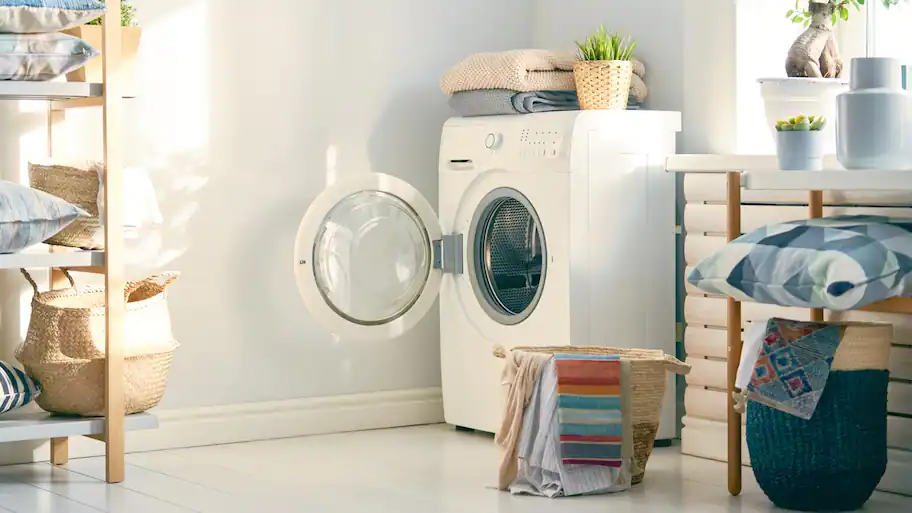
Dedicated Laundry Room Organization
| Focus Area | Strategy |
| Sorting System | Pre-Sort Bins: Individual bins for lights, darks, delicates, and heavily soiled itemsFamily Member Sorting: Designated baskets for each family member’s clean laundry |
| Folding Station | Counter Space: Clear counter space specifically for foldingImmediate Storage: Shelving above the folding area for immediate sorting |
| Supply Storage | Detergent Station: Designated area for all laundry detergents and additivesCleaning Supply Zone: High shelving for cleaning products used elsewhere |
Compact Closet Utility Spaces
| Focus Area | Strategy |
| Vertical Maximization | Over-Door Storage: Door space for frequently used cleaning suppliesStackable Systems: Stackable storage containers to maximize vertical space |
| Multi-Purpose Solutions | Rolling Carts: Mobile storage that can be moved as neededHanging Storage: Wall-mounted supply holders for tools and supplies |
Multi-Purpose Utility Areas
| Focus Area | Strategy |
| Zone Creation | Cleaning Zone: Designated area for all cleaning supplies and /equipmentLaundry Zone: Separate area for laundry supplies and processes |
| Storage Integration | Shared Systems: Storage solutions that serve multiple purposes efficientlyAccess Prioritization: Most frequently used items at eye level |
Organizing Cleaning Supplies Effectively
An organized cleaning supply system saves time and makes every household task easier. By storing supplies according to how often you use them, and grouping them by category, you’ll always know what you have on hand and can grab what you need without searching.
Here’s how to set up a cleaning storage system that’s efficient, practical, and easy to maintain:
Frequency-Based Storage Strategy
| Daily Use Items (Eye Level, Easy Access) | All-purpose cleaner, paper towels, dish soap, laundry detergent |
| Weekly Use Items (Standard Shelf Height) | Bathroom cleaners, floor cleaning supplies, vacuum attachments |
| Monthly/Seasonal Items (Higher Shelves) | Deep cleaning supplies, seasonal products, specialty equipment |
Category-Based Organization
Group supplies are organized by use area, including kitchen cleaners, bathroom supplies, floor care products, and general household cleaners. Store related items together with the most frequently used products in the most accessible locations.
Creating Efficient Laundry Systems
A smooth-running laundry routine starts with efficient sorting and clear workflow steps. By setting up simple systems for separating, processing, folding, and returning laundry, you can eliminate bottlenecks and keep clothes moving effortlessly from start to finish. Here’s how to make laundry day easier for everyone in the household.
Sorting Systems That Work
Pre-Sorting Strategy
- Individual family member laundry baskets in bedrooms
- Sorting bins in the laundry room for different wash types
- Special handling bin for delicates and dry-clean items
Workflow Optimization
Design your process to minimize handling:
- Collection: Efficient gathering from individual sorting points
- Processing: Streamlined washing and drying workflow
- Folding: Immediate folding with designated folding space
- Distribution: Quick return system to individual storage areas
Maintenance Systems That Actually Work
Keeping your utility spaces organized requires consistent but simple maintenance routines. Here are the habits that make organization last:
| Frequency | Focus Area | Tasks & Actions |
| Daily: The 5-Minute Reset | End-of-Day Routine | • Return cleaning supplies to designated homes after use• Clear folding surfaces of remaining items• Start any loads that are ready to go• Quick check that sorting systems are being used properly |
| Weekly: Maintenance Tasks | Supply Inventory | • Check cleaning supply levels and add to shopping list• Ensure all cleaning tools are clean and in good repair• Address clutter accumulation before it becomes overwhelming |
| Monthly: Deep Organization | Keeping Up Routines | • Clean and organize storage containers and shelving• Evaluate cleaning supply effectiveness and replace as needed• Make adjustments to improve efficiency based on usage patterns |
When To Consider A Professional Organizer
While many families can improve their utility organization independently, consider professional assistance when:
- Current systems consistently break down despite multiple attempts
- The scope of reorganization feels overwhelming
- Family members have conflicting organization ideas
- Physical limitations make implementing solutions difficult
Professional organizers provide objective assessments, space-maximizing expertise, efficient implementation, and training in long-term maintenance systems.
Transform Your Home with DDH
Organizing laundry and cleaning spaces effectively requires understanding both your family’s unique routines and proven organizational principles. DDH (Done & Done Home) has spent over a decade helping families transform their utility spaces into functional, efficient areas that support smooth household operations.
The difference between temporary organization and lasting systems lies in creating workflows that support how your family actually lives while remaining simple enough for consistent use. When utility spaces work correctly, they become the backbone of household maintenance—making necessary tasks efficient rather than stressful.
Ready to transform your laundry room and cleaning supply storage into organized, functional spaces? Contact DDH (Done & Done Home) today for a complimentary consultation to explore how our proven methodology can address the unique utility space challenges of your home.